
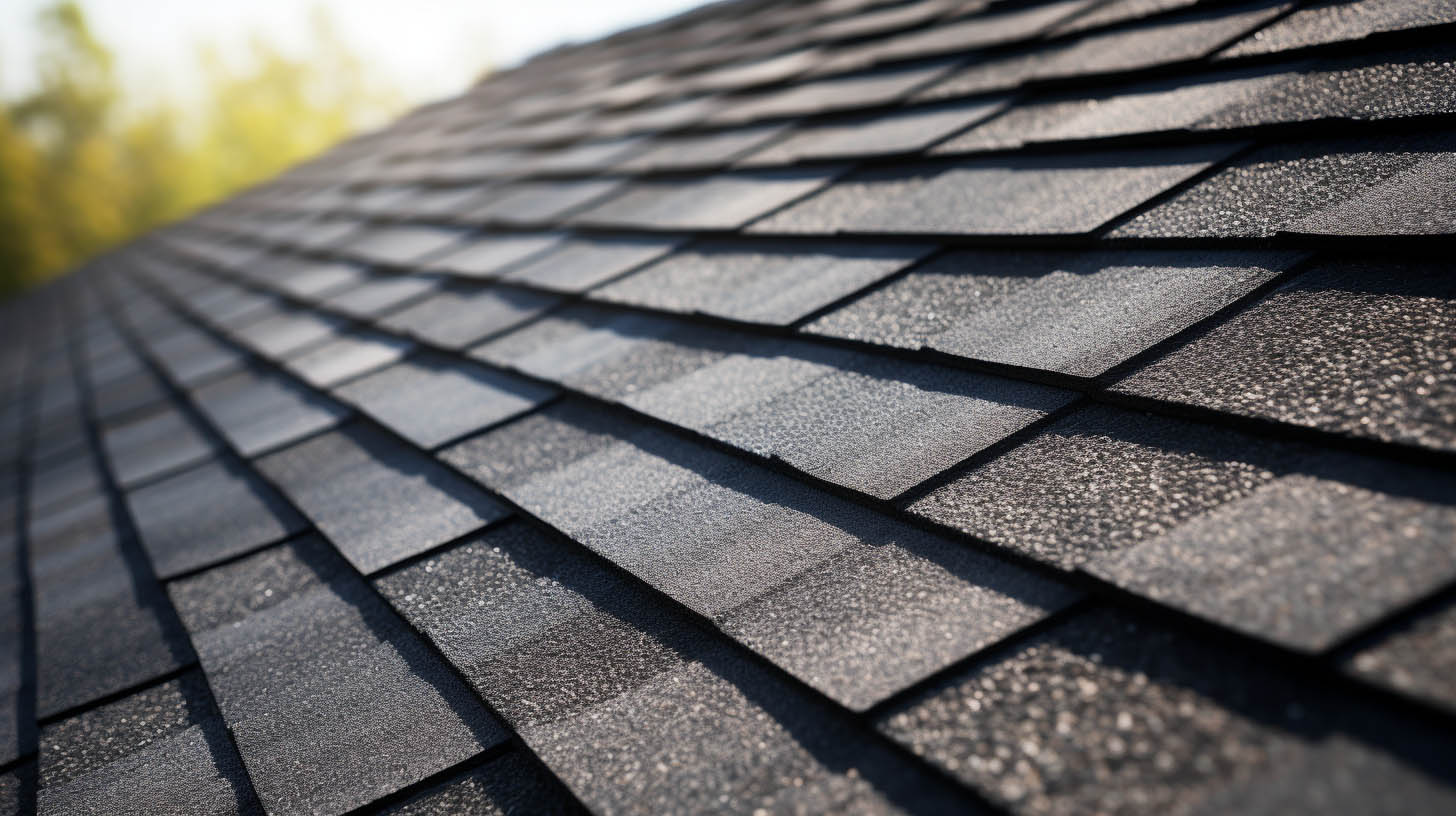
Knowing how long your roof will last helps you plan and budget for repairs or replacement. This guide covers everything from average lifespan to warning signs that your asphalt roof needs attention. We’ll also share maintenance tips that can extend your roof’s lifespan. A reliable roofing company can help you assess your roof’s current condition and recommend next steps. Once you finish reading, you’ll have a clear picture of what to expect from your asphalt roof.
Average Lifespan of Asphalt Roofs
Asphalt roofs typically last between 15 and 30 years. The actual lifespan depends on factors such as climate, maintenance, and the quality of installation. Harsh weather, extreme heat, cold, or heavy rain, wears down shingles faster. Regular inspections and quick repairs help your roof last longer. Sound installation matters too. When shingles are placed and sealed correctly from the start, you avoid problems that cut your roof’s life short.
Factors Influencing Roof Longevity
A few factors determine how long your roof will last. Climate is a big one, extreme temperatures and sudden weather shifts speed up wear and tear. Keeping up with maintenance, like checking for damage, cleaning gutters, and removing debris, goes a long way. Professional installation ensures proper sealing and leak protection. The materials matter too. Quality shingles and underlayment stand up better against harsh conditions. Staying on top of these factors can add years to your asphalt roof.
Signs of Roof Deterioration
Watch for these warning signs that your roof is wearing out:
- Curling Shingles: Edges curling up mean the shingles are aging and could let water in.
- Bald Spots: Shingles with missing granules or a smooth appearance are worn out and likely need to be replaced.
- Sagging Roof: A roof that dips in spots may have structural issues or water damage beneath it.
- Interior Water Stains: Stains on ceilings or walls inside your home indicate a roof leak that needs immediate attention.
Regularly checking your roof for these signs helps you catch problems early and extend its lifespan.
Maintenance Tips for Roof Durability
Staying on top of maintenance keeps your roof in good shape longer. Do visual checks a few times a year to look for missing, damaged, or curling shingles, as well as any algae or moss buildup. Clear leaves, branches, and other debris from the roof and gutters so water can drain properly. Trim back any overhanging tree limbs that could fall and cause damage. Make sure your attic has proper ventilation to prevent moisture problems. Fix issues as soon as you spot them before they get worse. Having a professional roofer inspect your roof at least once a year is worth the investment.
When to Consider Roof Replacement
At some point, repairs won’t cut it anymore. Here’s when to think about getting a new roof:
- Age: Most asphalt roofs last 20-25 years. If yours is getting close, start planning.
- Signs of Damage: Curling shingles, bald spots, missing granules, or heavy wear all suggest your roof is past its prime.
- Leaks: Water entering your home indicates your roof’s protection is failing.
- Frequent Repairs: If you’re constantly fixing things, a complete replacement saves you money.
Extending the Life of Your Roof
Regular care is the best way to get more years out of your asphalt roof. Inspect it at least twice a year and look for missing shingles, cracks, or moss growth. Keep the roof and gutters clear of debris to prevent water from pooling and causing leaks. Cut back the tree branches hanging over the roof. Good attic ventilation helps control temperature and moisture, which slows down aging. When you spot a problem, handle it right away. Calling in professional roofers for yearly inspections catches issues you might miss and keeps your roof in good condition for years to come.
Related Topics: