
A leaky roof can cause severe damage if you don’t catch it early. Knowing where to look and what signs to watch for makes all the difference in protecting your home. This guide walks you through the process of tracking down a roof leak, from checking your attic to inspecting the exterior. You’ll learn simple water-testing methods and when to call in the best roofing team for help. Let’s break down each step so you can find that leak before it turns into a bigger problem.
Signs of a Roof Leak
When you step into your attic, keep an eye out for water stains, wet insulation, or mold. Water stains on ceilings or walls usually show up as yellow or brown spots, a dead giveaway that water’s getting in somewhere. Damp insulation near the roofline means moisture is seeping through. Mold often comes with a musty smell and can appear black, green, or white. If you notice warped or rotting wood in the attic, that’s a sign water has been sitting there for a while. Catching these problems early helps you avoid bigger repairs down the road.
Interior Inspection
Start your leak hunt in the attic. Look for water stains, mold, or wet insulation. Check the underside of the roof sheathing for water marks or discoloration. These often point to the source of the leak. Grab a flashlight and go over every inch, paying close attention to areas around vents, chimneys, and any roof openings. If you see daylight coming through the roof boards, you’ve likely found your leak. Taking a methodical approach here saves you time and guesswork.
Exterior Examination
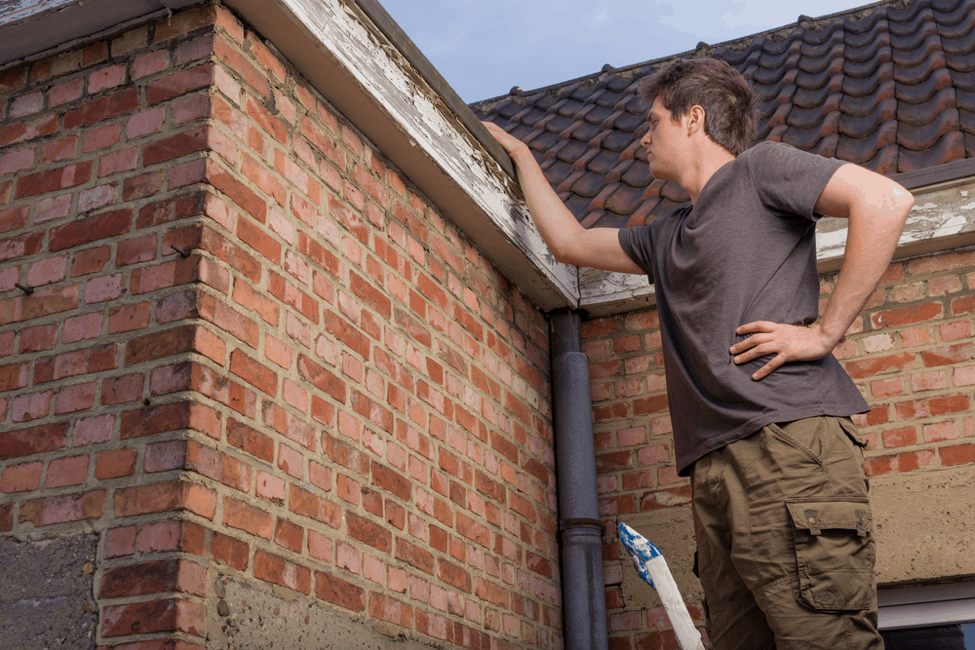
Once you’ve checked inside, head outside to inspect the roof itself. Focus on these key areas:
- Roof Material: Look for damaged, missing, or worn-out shingles, tiles, or metal panels.
- Flashing: Check the flashing around chimneys, vents, skylights, and where the roof meets walls for gaps or cracks.
- Gutters and Downspouts: Ensure gutters are clear of debris and securely attached. Downspouts should direct water away from your foundation.
Attic Assessment
Back in the attic, dig deeper to check for any signs of water damage. Look for stains, mold, mildew, or rot on the underside of the roof deck and around the rafters. Check if the insulation feels damp or looks discolored. Scan for daylight peeking through the roof boards or any visible gaps. Poor attic ventilation can also cause moisture buildup, which leads to leaks over time. A careful attic inspection often reveals exactly where water is sneaking in.
Water Testing
If you still can’t find the leak, water testing can help narrow it down. This method mimics rainfall so you can see how water moves across your roof. Here’s how to do it:
- Preparation: Clean off the roof surface so you can see clearly.
- Application: Start spraying water at the lowest point of the roof and work your way up, just like natural rainfall.
- Observation: Have someone inside watch for any signs of water coming through, then trace it back to the source.
Professional Consultation
Sometimes a leak is too tricky to find on your own. Roofing specialists have the training and tools to track down leaks that aren’t obvious. They’ll do a full inspection, find the exact source of the problem, and check for any other issues you might have missed. A pro can also recommend the right fix and help you prevent future leaks. Bringing in an expert early can save you money and protect your home from water damage.
Related Topics: