
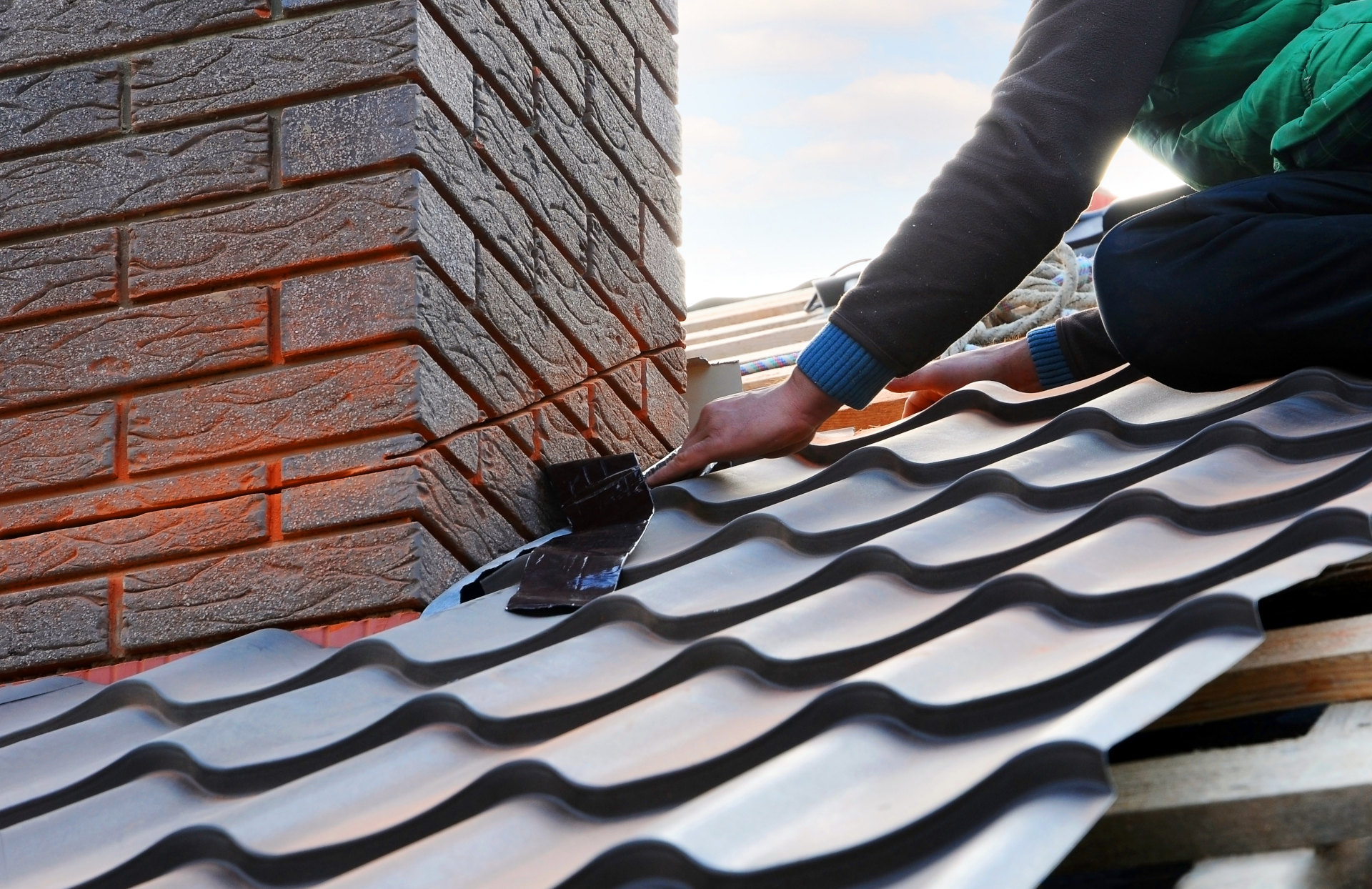
A leaking roof can cause serious damage to your home if you don’t address it quickly. Water stains on ceilings, mold in the attic, and ruined insulation are just a few problems that come from ignoring a roof leak. Although it may be a minor leak, a local roofing contractor can still be at help right away. This guide covers everything from inspecting your roof to sealing flashings and improving ventilation. By the end, you’ll know how to spot the source of a leak and handle basic repairs yourself.
Roof Inspection
Before you can fix a leaking roof, you need to find where the water is getting in. Climb up carefully and take a close look at your shingles, flashing, and seals for any visible damage or wear. Pay attention to shingles that are missing, cracked, or curling at the edges. Check the flashing around vents, chimneys, and skylights for gaps or rust spots. You should also look at your roof valleys and gutters for leaves or debris that could cause water to pool and leak through. Once you identify what’s wrong, you can make targeted repairs rather than guess.
Locating the Leak
After your initial inspection, zero in on the exact spot where water is entering. Cracked, missing, or damaged shingles are often the culprit since they let water seep right through. Look for gaps in the flashing around chimneys, vents, and skylights; these are common problem areas. Check the seals around these spots for signs of cracking or peeling. Leaks sometimes occur where different roof angles meet, so inspect those intersections closely. Water stains on your ceiling can help you trace the leak back to its source. Going through these areas one by one will help you find the problem faster.
Repairing Roof Shingles
Start by inspecting the damaged shingles to determine how much work you’re dealing with. Cracked, curled, or missing shingles are usually the main reason for leaks. Once you find the bad one, gently lift it and use a pry bar to pull out any nails. Slide a new shingle of the same size and material into place. Make sure it fits snugly, then secure it with galvanized roofing nails. Adding a small amount of roofing cement under the shingle before nailing it down helps create a better seal. While you’re at it, check the shingles nearby for any damage and fix those too.
Sealing Roof Flashings
Properly sealed flashings create a waterproof barrier that prevents leaks. Here’s what to keep in mind:
- Check for Damage: Look at the flashings for wear, cracks, or gaps.
- Clean Thoroughly: Remove any dirt or debris that could mess with the seal.
- Use a quality sealant: Pick one that holds up against water over time.
- Apply evenly: Use a caulking gun to spread the sealant along the flashing edges in a smooth, even layer.
- Inspect Regularly: Make it a habit to check and reseal flashings periodically so small issues don’t turn into big leaks.
Fixing Roof Ventilation
Good ventilation keeps moisture from building up in your attic and extends the life of your roof. Without proper airflow, heat and humidity can become trapped, leading to mold, wood rot, and shingle damage. Start by checking your vents and soffits for blockages and clearing out any debris. If airflow is still weak, consider adding ridge vents or attic fans to help move air through the attic. Proper ventilation also helps regulate indoor temperatures, which can lower your energy bills. Regularly checking your ventilation system is a simple way to keep your roof healthy for years.
Preventing Future Leaks
Staying on top of maintenance is the best way to avoid leaks down the road. Here are five tips to keep your roof in good shape:
- Clear Debris: Remove leaves, branches, and other debris from your roof and gutters regularly.
- Check Flashing: Inspect flashing around vents, chimneys, and skylights to make sure seals are tight and intact.
- Trim Overhanging Branches: Cut back any tree limbs that hang over your roof so they don’t scrape against it or fall during storms.
- Monitor Attic: Look for signs of water damage, such as mold, rot, or stains, that could indicate a leak.
- Schedule Professional Inspections: Have a roofer check your roof at least once a year to catch problems early.
Related Topics: