
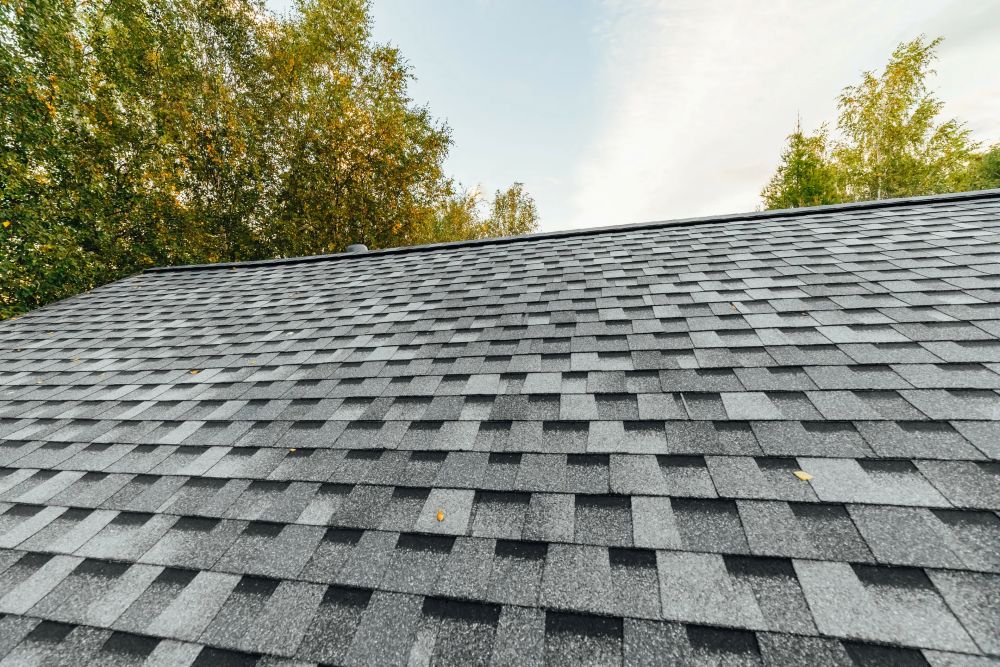
If you’re a homeowner researching roofing options, composition roofs are worth a closer look. This guide breaks down what composition roofing actually is, the materials involved, how long it lasts, and what it’ll cost you. Indianapolis’ reputable roofers often recommend this roofing type for its balance of affordability and performance. We’ll also cover energy efficiency perks and maintenance tips to help you get the most out of your investment. By the end, you’ll have a clear picture of whether a composition roof fits your needs.
Definition of Composition Roofing
Composition roofing, sometimes called composite shingles, is made from a blend of asphalt, fiberglass, and mineral granules. The typical setup includes a fiberglass or cellulose mat in the center, coated with asphalt and topped with granules that protect against sun, rain, and wind. This combo offers flexibility, making it suitable for a wide range of roof shapes and styles. People like composition roofing because it’s affordable, easy to install, and holds up in rough weather. It can also mimic the look of pricier materials like wood shakes or slate without the hefty price tag.
Types of Materials Used
A few different materials go into composition roofs, each adding something to the mix. Asphalt shingles are the most common pick; they’re budget-friendly and come in tons of colors and styles. Fiberglass shingles are lightweight and fire-resistant, making them a solid long-term choice. Organic options use wood fibers or recycled paper for a more eco-conscious approach and a natural aesthetic. Laminate shingles (also called architectural shingles) add extra thickness and dimension, giving roofs a more textured, high-end appearance. Knowing what each material brings to the table helps you match your roof to your priorities, whether that’s durability, looks, or sustainability.
Durability and Longevity
Composition roofs are built to last, with most lasting 20 to 50 years, depending on the material quality and upkeep. They’re designed to handle heavy rain, snow, hail, and high winds without falling apart. Regular inspections and quick repairs go a long way in stretching that lifespan even further. Proper installation matters, along with good ventilation and a quality underlayment beneath the shingles. Choosing a trusted contractor and investing in better materials upfront pays off over time with fewer headaches and less money spent on fixes.
Energy Efficiency Benefits
Composition roofs can actually help lower your energy bills. Their reflective surfaces bounce back some of the sun’s heat, keeping your home cooler in summer without cranking the AC as hard. Some composition shingles even carry an ENERGY STAR certification, meaning they meet the Environmental Protection Agency’s efficiency standards. Picking an ENERGY STAR-rated roof can trim your utility costs and shrink your carbon footprint at the same time. It’s a win for your wallet and for the environment.
Maintenance and Repairs
Keeping up with maintenance is how you get the most years out of a composition roof. Schedule regular inspections to catch problems before they grow. Clear away debris, such as leaves and branches, so water doesn’t pool and cause damage. Look out for cracked, curled, or missing shingles; these are signs that repairs are due. Fixing small issues early prevents them from turning into expensive problems later. Hiring a professional roofer for routine checkups helps maintain the roof’s structure and keeps everything running smoothly.
Cost Considerations
Budgeting for a composition roof means thinking beyond just the install price. Material quality, roof size, design complexity, and labor rates all factor into the total. Higher-quality shingles might cost more upfront, but they often save money down the road by lasting longer and needing fewer repairs. Professional installation from experienced roofers also prevents costly mistakes that could haunt you later. Pair that with regular maintenance, and a composition roof becomes a smart long-term investment that holds its value over the years.
Related Topics: