
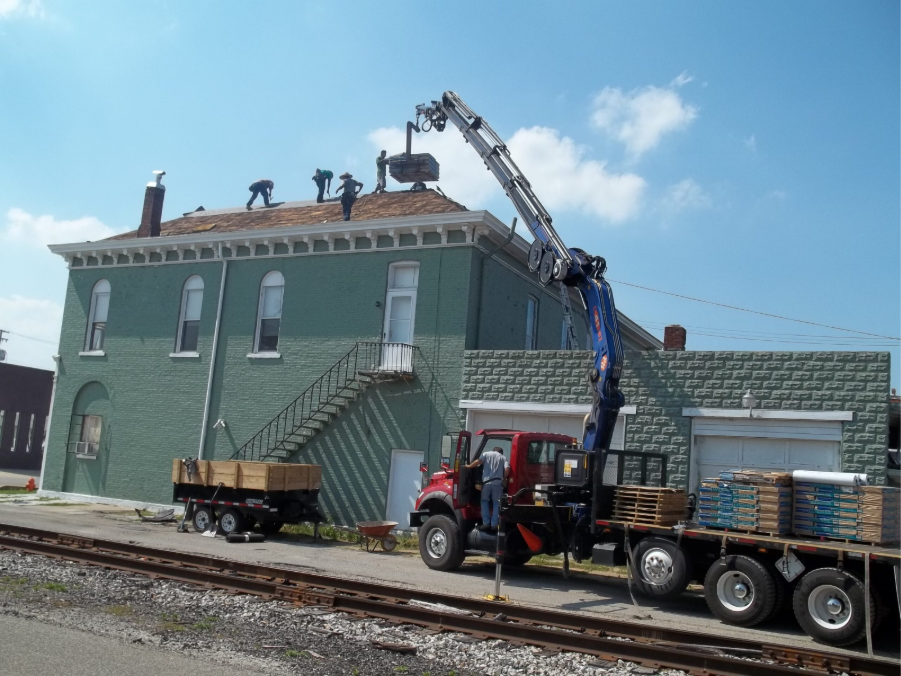
After severe weather, homeowners may notice missing shingles, loose flashing, dents, leaks, or other signs that the roof has been affected. A roofing company indianapolis can inspect the roof to determine the extent of the problem and identify repairs that may be needed. Understanding the damage repair roofing process can help homeowners take the right steps after a storm and avoid overlooking hidden problems.
Storm-related roof damage does not always look serious from the ground. Wind can lift or loosen roofing materials, while hail can leave small impact marks that may become more noticeable over time. Water can also enter through damaged areas and affect parts of the roof beneath the visible surface.
What Causes Roof Damage During a Storm?
Different weather conditions can affect a roof in different ways. Wind, hail, heavy rain, and falling branches can all contribute to roof damage.
Strong wind may lift shingles, loosen flashing, or expose sections of the roof. Hail can create dents, cracks, and impact marks on shingles and other roofing materials. Heavy rain may enter through openings created by wind or hail damage. Trees and branches can also cause direct physical damage. Even when there is no obvious hole in the roof, an impact can damage roofing materials or the underlying structure. After a major weather event, homeowners should look for visible signs of damage while avoiding climbing onto the roof themselves.
How Is Damage Repair Roofing Performed?
The repair process usually begins with an inspection. A contractor examines the roof to identify visible damage and determine whether there may be underlying issues.
The inspection may include:
- Missing, cracked, or lifted shingles
- Damaged flashing around roof penetrations
- Hail impact marks
- Loose roofing materials
- Damaged gutters or downspouts
- Water entry points
- Damaged roof decking
- Areas affected by fallen branches
- Signs of previous repairs
The condition, age, roofing material, and extent of the damage all influence the recommended repair approach.
How Storm and Wind Damage Is Repaired
Storm damage roof repair can involve several different types of work. If wind has removed a small number of shingles, those areas may be repaired or replaced. Damaged flashing may also need to be secured or replaced.If larger sections of the roof have been affected, the contractor may recommend more extensive repairs. In cases where the damage is widespread, a roof replacement may need to be considered.
For example, residential metal roofing requires repair methods and materials appropriate for metal roofing systems. The same principle applies to asphalt shingles and other roofing materials. Repairs should match the existing roof system as closely as practical.
How Hail Damage Is Identified
Hail damage can sometimes be difficult to identify without a close inspection. Hailstones may leave dents or impact marks on shingles, metal components, vents, gutters, and other exterior surfaces. Some damage may affect the protective surface of a shingle without immediately causing an interior leak. However, damaged roofing materials can become more vulnerable to future weather.
A contractor may inspect different roof sections and compare areas that received different levels of exposure. Photographs can also help document visible damage for the homeowner and, where applicable, an insurance claim.
What Is Included in Roof Damage Repair?
The scope of roof damage repair depends on what the inspection finds. Minor repairs may involve replacing damaged shingles or securing loose materials. More extensive work may involve repairing flashing, replacing sections of roofing, addressing damaged decking, or repairing related exterior components. Homeowners may also need roof leak repair if water has entered the building. A leak should be investigated rather than repaired only at the location where water becomes visible inside the home. Water can travel along roofing materials and framing before appearing as a ceiling stain. Finding the actual entry point is therefore an important part of the repair process.
When Is Emergency Roof Repair Needed?
Some storm damage requires prompt attention. Emergency roof repair may be appropriate when there is an active leak, a large opening in the roof, significant sections of missing roofing material, or other damage that leaves the home exposed to additional weather. Temporary measures may sometimes be used to reduce further water entry until permanent repairs can be completed.
Homeowners should avoid climbing onto a damaged roof, particularly after severe weather. Wet surfaces, loose materials, electrical hazards, and structural damage can make the area unsafe.
How Insurance May Fit Into the Repair Process
After a storm, homeowners should review their insurance policy and understand the process for reporting property damage. Coverage depends on the policy, cause of damage, exclusions, deductibles, and other terms.Before making repairs, homeowners may want to document visible damage with photographs from safe locations. Keeping records of the date of the storm, visible problems, temporary measures, estimates, receipts, and communications can also be useful.An insurance adjuster may inspect the property to assess the reported damage. A roofing contractor can provide information about observed roof conditions and proposed repairs, but homeowners should discuss coverage decisions directly with their insurance provider.It is important not to assume that every roofing problem after a storm will automatically be covered.
Repair or Roof Replacement: Which Is Needed?
Not every storm-damaged roof needs complete replacement. A localized problem may be addressed through residential roof repairs when the remaining roof is in suitable condition. Replacement may be considered when damage is extensive, the roofing system is significantly deteriorated, or repairs would not provide a practical long-term solution. The decision should be based on the roof’s overall condition, the extent of damage, the type and age of the roofing system, and the expected scope of work.
What Should Homeowners Ask a Roofing Contractor?
Before approving storm-related repairs, homeowners can ask:
- What damage was found during the inspection?
- Which areas need immediate attention?
- Can the damage be repaired or does replacement need to be considered?
- What roofing materials will be used?
- Are temporary repairs necessary?
- Could hidden damage be found after materials are removed?
- What is included in the written estimate?
- Are cleanup and disposal included?
- What documentation is available for insurance purposes?
- How will additional work be approved?
A written estimate can make it easier to understand the proposed work and compare it with other estimates when appropriate.
Why Prompt Repairs Matter After a Storm
Delaying repairs can allow an existing problem to become more extensive. For example, a small opening caused by wind damage may allow repeated water entry during subsequent rain. Moisture can affect insulation, decking, framing, ceilings, and interior finishes if it is not addressed. Prompt inspection does not necessarily mean immediate full replacement. It allows homeowners to understand the condition of the roof and determine what work is actually required.
For homeowners looking for roof repair contractor Indianapolis services after severe weather, the focus should be on identifying the actual damage and understanding the repair process before work begins.
Conclusion
Storm, wind, and hail damage can range from isolated shingle problems to more extensive roof system damage. A proper inspection helps identify visible and potential hidden issues, while documentation can help homeowners understand their repair options and prepare for discussions with their insurance provider.
For homeowners dealing with storm-related problems, WaterTight Roofing Indy can be contacted to discuss an inspection and potential repair needs. To discuss your roofing concerns and arrange the next step, contact WaterTight Roofing Indy.
Frequently Asked Questions
1. What is damage repair roofing?
Damage repair roofing refers to repairing roofing systems affected by problems such as storms, wind, hail, fallen branches, leaks, or other physical damage.
2. How soon should I repair storm damage to my roof?
Roof damage should be inspected as soon as reasonably possible, particularly when there is an active leak, exposed roofing materials, or a large damaged area.
3. Does homeowners insurance cover storm roof damage?
Coverage depends on the individual insurance policy, the cause of damage, deductibles, exclusions, and other terms. Homeowners should contact their insurer to confirm coverage.
4. Can hail damage be repaired without replacing the entire roof?
In some cases, localized damage can be repaired. If hail has caused extensive damage or the roof is already significantly deteriorated, replacement may need to be considered.
5. What should I do if my roof is leaking after a storm?
If it is safe to do so, document the visible damage and water entry from inside the property. Contact a roofing contractor for an inspection and speak with your insurance provider about the appropriate claims process.