
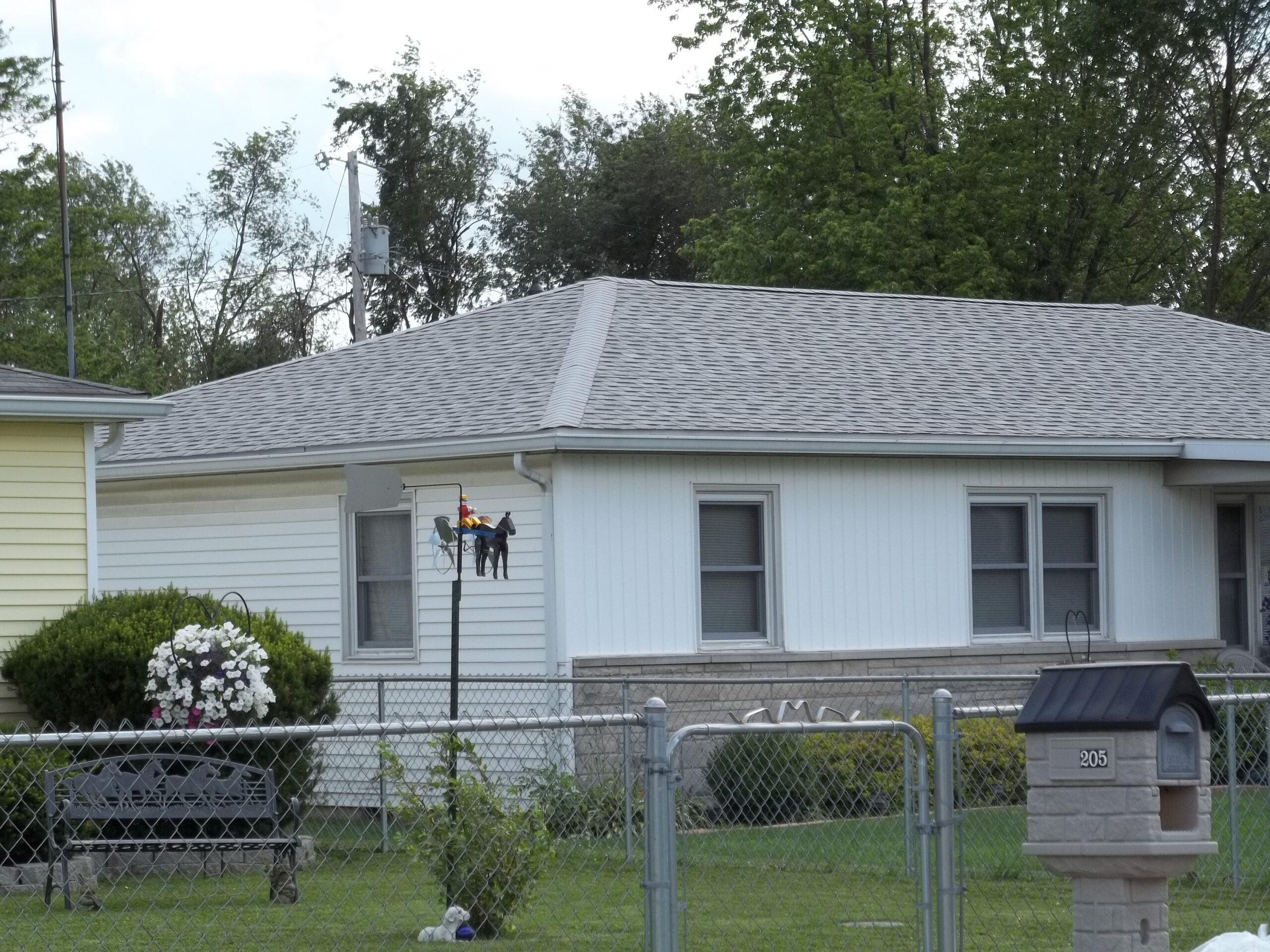
For homeowners searching for a roofing company indianapolis, getting an estimate is an important step before agreeing to repair work. A free estimate on roof repair can help you understand the condition of your roof, the work that may be required, and the potential cost. However, estimates can vary between contractors, so it is useful to understand what the inspection and estimating process should include. A roof estimate should be based on an inspection rather than a quick guess. The contractor may examine visible roofing materials, flashing, gutters, penetrations, ventilation, and areas where water could enter the home. The goal is to identify the likely source of a problem and determine whether repair or replacement should be considered.
What Is a Free Roof Repair Estimate?
A free roof repair estimate is an assessment provided by a roofing contractor without an initial inspection or consultation fee. The estimate generally outlines the work that may be necessary and provides information about expected costs. The exact format varies between contractors. Some estimates may be relatively simple, while others provide detailed information about materials, labor, preparation, disposal, and additional work. Homeowners should remember that a free estimate does not necessarily mean the final price is guaranteed. Hidden damage may become visible only after roofing materials are removed.
What Happens During a Roof Inspection?
Before preparing an estimate, a roof repair contractor should examine the roof and look for visible signs of damage. The inspection may involve checking both the exterior and, when appropriate, accessible areas inside the home.
Common items an inspector may look for include:
- Missing or damaged shingles
- Cracked or deteriorated roofing materials
- Damaged flashing
- Water stains or signs of moisture
- Damaged roof penetrations
- Issues around chimneys or vents
- Poor drainage
- Signs of previous repairs
- Areas where water may be entering
The contractor may also consider the roof’s age and general condition. An isolated issue may be suitable for repair, while widespread deterioration could indicate that replacement needs to be considered.
What Should a Roof Repair Estimate Include?
A useful estimate should give the homeowner enough information to understand the proposed work. While formats differ, the document may include a description of the problem, recommended repairs, materials, labor, and estimated costs. If the project involves residential metal roofing, for example, the estimate should identify the relevant roofing material and explain the work being proposed. For roof damage repair, the estimate may also describe the damaged areas and whether additional work could be necessary after the affected materials are opened or removed. A homeowner should ask questions if any part of the estimate is unclear.
How Contractors Identify Roof Leaks
A roof leak does not always originate directly above the water stain inside a home. Water can travel along roofing materials, insulation, framing, or other surfaces before becoming visible. This is why roof leak repair should begin with identifying the likely source of the water intrusion.
During an inspection, a contractor may examine areas such as:
Roof Penetrations
Vents, pipes, skylights, and other penetrations can become potential entry points for water if their surrounding materials or flashing deteriorate.
Flashing
Flashing helps direct water away from vulnerable areas. Damaged, loose, or deteriorated flashing can contribute to leaks.
Roofing Materials
Cracked, missing, or deteriorated roofing materials can allow moisture to enter the roof system.
Drainage Areas
Poor drainage can allow water to remain on or around parts of the roof for longer than intended. Gutters, downspouts, and drainage paths may therefore be considered during an inspection.
What Can Affect the Estimated Cost?
The cost of roof repair services depends on several factors. The size and location of the damaged area are important, but they are not the only considerations.
Other factors can include:
- Type of roofing material
- Extent of damage
- Labor requirements
- Accessibility of the roof
- Amount of underlying damage
- Flashing or ventilation work
- Material disposal
- Required replacement materials
For example, repairing a small area of surface damage may require less work than addressing damage that has affected the underlying roof structure.
A homeowner should ask whether the estimate covers all expected work or whether certain items may be billed separately.
Should You Get More Than One Estimate?
Comparing estimates can help homeowners understand the range of proposed work and pricing. However, comparing only the final dollar amount may not provide a complete picture. One contractor may recommend a limited repair, while another may identify additional work. Differences in recommendations should be discussed rather than assuming that the lower estimate represents the same scope of work.
When comparing estimates, look at:
- The identified problem
- Scope of work
- Materials specified
- Labor included
- Warranty information
- Potential additional costs
- Expected project timeline
- Payment requirements
The goal is to compare similar scopes of work rather than simply choosing the lowest number.
Questions to Ask a Roof Repair Contractor
Before hiring a contractor, homeowners can ask questions about the inspection, estimate, materials, and repair process.
Useful questions include:
- What damage did you find?
- What is causing the problem?
- Is repair appropriate, or should replacement be considered?
- What materials will be used?
- Does the estimate include labor and cleanup?
- Could additional damage be found during the repair?
- How will unexpected work be handled?
- What warranty applies to the work?
- How long is the estimate valid?
- What payment schedule is required?
Clear answers can help homeowners understand what they are agreeing to before work begins.
When a Free Estimate May Not Be the Final Price
A roof inspection can identify visible problems, but some damage may remain hidden beneath roofing materials. For example, moisture may have affected decking or other components that cannot be fully evaluated until damaged materials are removed. If unexpected damage is found, the contractor should explain what was discovered and why additional work may be necessary. Homeowners should ask for changes to the scope and price to be documented before approving additional work. This helps avoid confusion about what was originally included in the estimate.
Signs You Should Not Delay a Roof Inspection
Some roofing problems require timely attention. Water entering the home, visible ceiling stains, damaged roofing materials, or areas of exposed roof can indicate that an inspection is appropriate. Small problems can sometimes become more extensive when moisture continues to enter the roof system. Addressing a suspected problem early may help determine whether a localized repair is possible.
Homeowners should also avoid attempting repairs that require specialized equipment or working at heights without appropriate training and safety measures.
Conclusion
Understanding free estimates on roof repair can make it easier for homeowners to compare contractors and understand the work being proposed. A thorough inspection, clearly written scope of work, explanation of materials, and discussion of potential additional costs can all help set realistic expectations before a project begins. Homeowners who need an assessment can contact the roofing company to discuss their roof concerns, inspection needs, and potential repair options.
Frequently Asked Questions
1. Are free estimates on roof repair really free?
Many roofing contractors offer inspections and estimates without an upfront fee. However, homeowners should confirm what is included before scheduling an inspection because policies can vary between contractors.
2. How long does a roof inspection take?
The time required depends on the size, accessibility, and condition of the roof. A more detailed inspection may take longer than a basic visual assessment.
3. Should I get multiple roof repair estimates?
Getting more than one estimate can help homeowners compare proposed work, materials, costs, and timelines. The scope of work should be compared along with the price.
4. Can a roof leak be repaired without replacing the entire roof?
Some leaks can be addressed with localized repairs when the overall roof remains in suitable condition. If the roof has widespread deterioration or extensive damage, replacement may need to be considered.
5. Can the final repair cost be higher than the estimate?
It can be possible if hidden damage is discovered after work begins. Homeowners should ask how unexpected damage and additional costs will be handled before approving the project.