
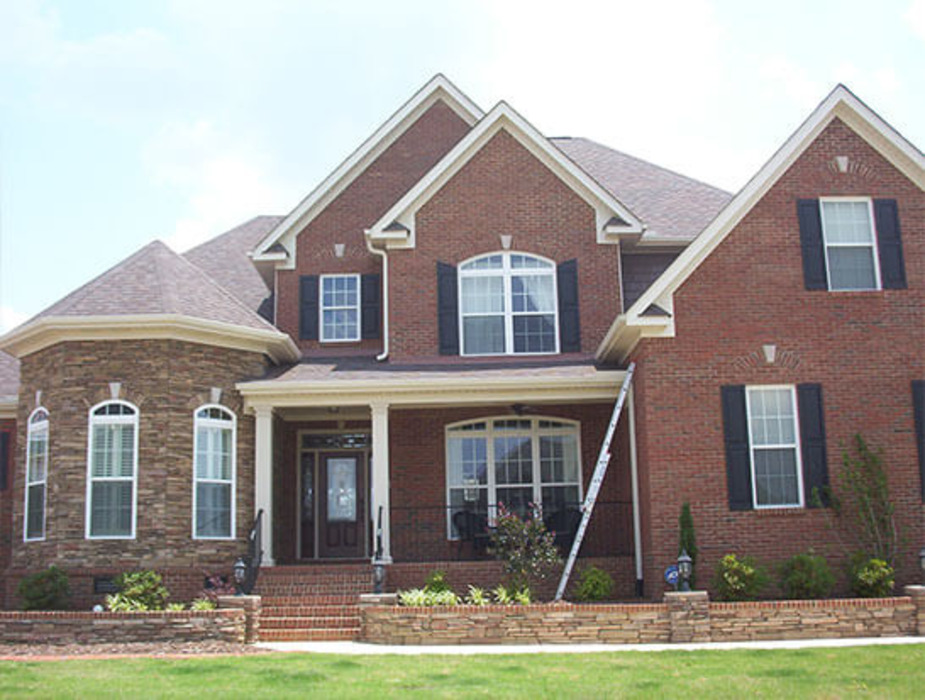
When your home needs roofing work, finding the right residential roofing contractor involves more than comparing prices. Homeowners need to consider experience, communication, workmanship, materials, safety practices, and the company’s ability to explain what the roof actually needs. Understanding these factors can make it easier to compare residential roofing experts and make an informed decision. A residential roof protects the home from rain, wind, snow, heat, and other outdoor conditions. Problems with shingles, flashing, ventilation, or drainage can affect more than the roof itself. Water intrusion can eventually contribute to damage inside the home. For this reason, homeowners should look for a roofing company that takes time to assess the roof and explain the recommended work.
What Are Residential Roofing Experts?
The term residential roofing experts generally refers to roofing professionals who have experience working on homes and residential roofing systems. Their work may include inspections, maintenance, repairs, replacements, and installation of different roofing materials. A reliable roofing company should be able to explain the condition of a roof without using confusing terminology. Homeowners should understand what has been found, why a particular repair is recommended, and whether the issue requires immediate attention. Experience with different roofing systems can also be useful. Residential roofs may use asphalt shingles, metal roofing, or other materials, and each system has different installation and maintenance requirements.
What Should Homeowners Look for in a Roofing Company?
The first step is to review the company’s experience and the types of roofing services it provides. A company that handles residential projects should have a clear understanding of common roofing problems and the appropriate repair methods.
Homeowners can also look at whether the company provides services such as inspections, residential roofing service, roof repairs, replacement, and storm-related work. This can help establish whether its services match the property’s needs. Another important factor is communication. A contractor should explain the scope of work, expected materials, estimated costs, and potential complications before work begins. Clear communication can reduce misunderstandings during the project. For homeowners considering residential roof repairs, it is useful to understand whether the contractor can identify the source of the problem rather than simply addressing the most visible symptom. The residential roof repairs process may involve examining shingles, flashing, roof penetrations, drainage areas, and other parts of the roofing system.
Why Experience Matters in Residential Roofing
Roofing problems are not always obvious from the ground. A missing shingle may be easy to see, but loose flashing, moisture intrusion, deteriorated materials, or ventilation problems can require a closer inspection. Experienced residential roofers in Indianapolis should be familiar with common roofing concerns and local weather conditions. This does not mean every roof requires the same solution. The appropriate approach depends on the roof’s age, materials, condition, damage, and previous repairs. Homeowners should ask how the contractor evaluates a roof before providing recommendations. An inspection-based approach is generally more useful than an estimate based only on photographs or a quick visual assessment.
How a Proper Roof Inspection Helps
A roof inspection helps establish the condition of the roofing system before repairs or replacement are recommended. Depending on the property, the inspection may include visible roofing materials, flashing, gutters, vents, chimneys, penetrations, and areas where water could enter.
The contractor may look for:
- Missing or damaged shingles
- Cracked or deteriorated materials
- Loose flashing
- Signs of water intrusion
- Damaged vents or roof penetrations
- Poor drainage
- Previous repair work
- Areas affected by wind or hail
- General signs of roof deterioration
A detailed inspection can help determine whether Indianapolis residential roofing needs a localized repair or more extensive work.
Repair or Replacement: How Should You Decide?
Not every roofing problem requires a complete replacement. A relatively isolated issue may be suitable for repair if the rest of the roof remains in reasonable condition. However, extensive deterioration, widespread storm damage, recurring leaks, or an aging roofing system may lead to a recommendation for replacement. Homeowners should ask the contractor to explain why replacement is being considered and which parts of the roof have contributed to that recommendation.
If replacement is necessary, homeowners researching roof replacement Indianapolis services should request a written scope of work. The scope should explain the materials, preparation, removal of existing materials, installation, cleanup, and other relevant work. A replacement project may also involve roof shingles replacement, including asphalt shingle roof replacement, depending on the existing roofing system and the homeowner’s requirements.
What Roofing Materials Should Homeowners Consider?
Roofing materials affect appearance, maintenance requirements, durability, and project costs. Asphalt shingles are widely used for residential properties, while metal roofing is another option for homeowners considering different roofing systems .The right material depends on factors such as the home’s design, existing roof structure, local weather exposure, maintenance expectations, and budget. Homeowners should not select a material based only on appearance. The contractor should explain installation requirements and whether the selected material is appropriate for the property.
How Do You Evaluate a Roofing Estimate?
Price is an important consideration, but the lowest estimate does not necessarily represent the same scope of work as a higher estimate. Homeowners should compare what is actually included.
A roofing estimate may include:
- Labor
- Roofing materials
- Removal of existing materials
- Disposal
- Flashing work
- Preparation
- Cleanup
- Additional repairs
- Warranty information
When comparing residential roofing contractors Indianapolis, homeowners should ask whether each estimate covers similar materials and work. If one estimate excludes important items, the final cost could be different from the initial figure.
A written estimate also gives homeowners something concrete to review before approving the project.
What Questions Should You Ask a Roofing Contractor?
Asking questions can help homeowners understand the company, project scope, and expected process.
Useful questions include:
How did you identify the problem?
Ask whether the recommendation is based on an inspection and what evidence supports the proposed repair or replacement.
What materials will be used?
The estimate should identify the type and, where relevant, specifications of the roofing materials.
Is repair or replacement recommended?
Ask why one option is being recommended and what condition the rest of the roof is in.
What is included in the estimate?
Clarify whether labor, materials, disposal, cleanup, and related repairs are included.
How will unexpected damage be handled?
Hidden damage can sometimes become visible after roofing materials are removed. Ask how additional work will be documented and approved.
How Should Homeowners Evaluate Roofing Credentials?
Homeowners can research the company’s business information, experience, reviews, insurance information, and applicable licensing or registration requirements in their area. It can also be useful to verify whether the contractor has experience with the specific type of roof on the home. For example, a company handling residential metal roofing should understand the installation and repair requirements associated with metal systems. Homeowners should also be cautious about contractors who pressure them to sign immediately or make claims that cannot be supported by an inspection or written documentation.
What About Storm and Emergency Roofing Problems?
Severe weather can create urgent roofing problems. Wind may remove shingles, hail can damage roofing materials, and falling branches can create openings in the roof. In these situations, homeowners may need storm damage roof repair or emergency roof repair Indianapolis services. The first priority should be preventing additional damage while arranging an appropriate inspection. A contractor may recommend temporary measures when permanent repairs cannot be completed immediately. Homeowners should also document visible damage from safe locations and contact their insurance provider if they intend to make a claim. For larger storm-related issues, homeowners may encounter companies offering storm damage roof replacement. Replacement should be based on the actual condition of the roof rather than simply the fact that a storm occurred.
Why Local Knowledge Can Matter
A local contractor may be familiar with weather conditions and common roofing concerns in the area. Homeowners searching for a roofing contractor Indianapolis Indiana may also want to verify that the company regularly works on properties in the surrounding area. Search terms such as roofing contractors Indianapolis and roofing contractor near me can produce many options, but homeowners should still evaluate each company based on relevant experience, written estimates, communication, and project scope. The same principle applies when researching a residential roofing company or home improvement contractor. The specific roofing experience of the company matters when the project involves the home’s primary weather protection system.
When Should You Contact a Roofing Contractor?
Homeowners should consider a roof inspection when they notice missing shingles, leaks, ceiling stains, damaged flashing, recurring moisture problems, or visible storm damage. Regular inspections can also help identify problems before they become more extensive. A small roofing issue may be easier to address than damage that has continued through multiple seasons. If a roof has reached the end of its expected service life or has repeated repair issues, discussing residential roof replacement may also be appropriate.
Conclusion
Finding suitable residential roofing experts requires more than comparing estimates. Homeowners should consider inspection practices, relevant experience, roofing materials, communication, written scopes of work, repair options, and how unexpected issues will be handled. A clear understanding of these factors can make the hiring process easier and help homeowners know what to expect from their roofing project. WaterTight Roofing Indy provides roofing-related services for homeowners who need help evaluating repairs, replacement needs, or other roofing concerns. Homeowners can contact WaterTight Roofing Indy to discuss their roofing needs and the appropriate next steps.
Frequently Asked Questions
1. What should I look for when hiring residential roofing experts?
Look for relevant residential roofing experience, clear communication, detailed estimates, appropriate insurance and credentials, and a willingness to explain the condition of the roof and recommended work.
2. How do I know whether my roof needs repair or replacement?
The decision depends on factors such as the extent of damage, roof age, material condition, recurring problems, and the overall condition of the roofing system. A detailed inspection can help determine the appropriate option.
3. How many roofing estimates should I get?
Homeowners may compare multiple estimates when practical. The important point is to compare similar scopes of work, materials, warranties, and included services rather than looking only at the final price.
4. What roofing materials are commonly used on residential homes?
Asphalt shingles are common, while metal roofing and other materials may also be suitable depending on the home’s structure, design, weather exposure, maintenance requirements, and project goals.
5. Should I hire a contractor immediately after storm damage?
Storm damage should be inspected promptly, especially if there is an active leak or exposed roofing. Homeowners should document visible damage safely and discuss the situation with their insurance provider when appropriate before approving major work.