
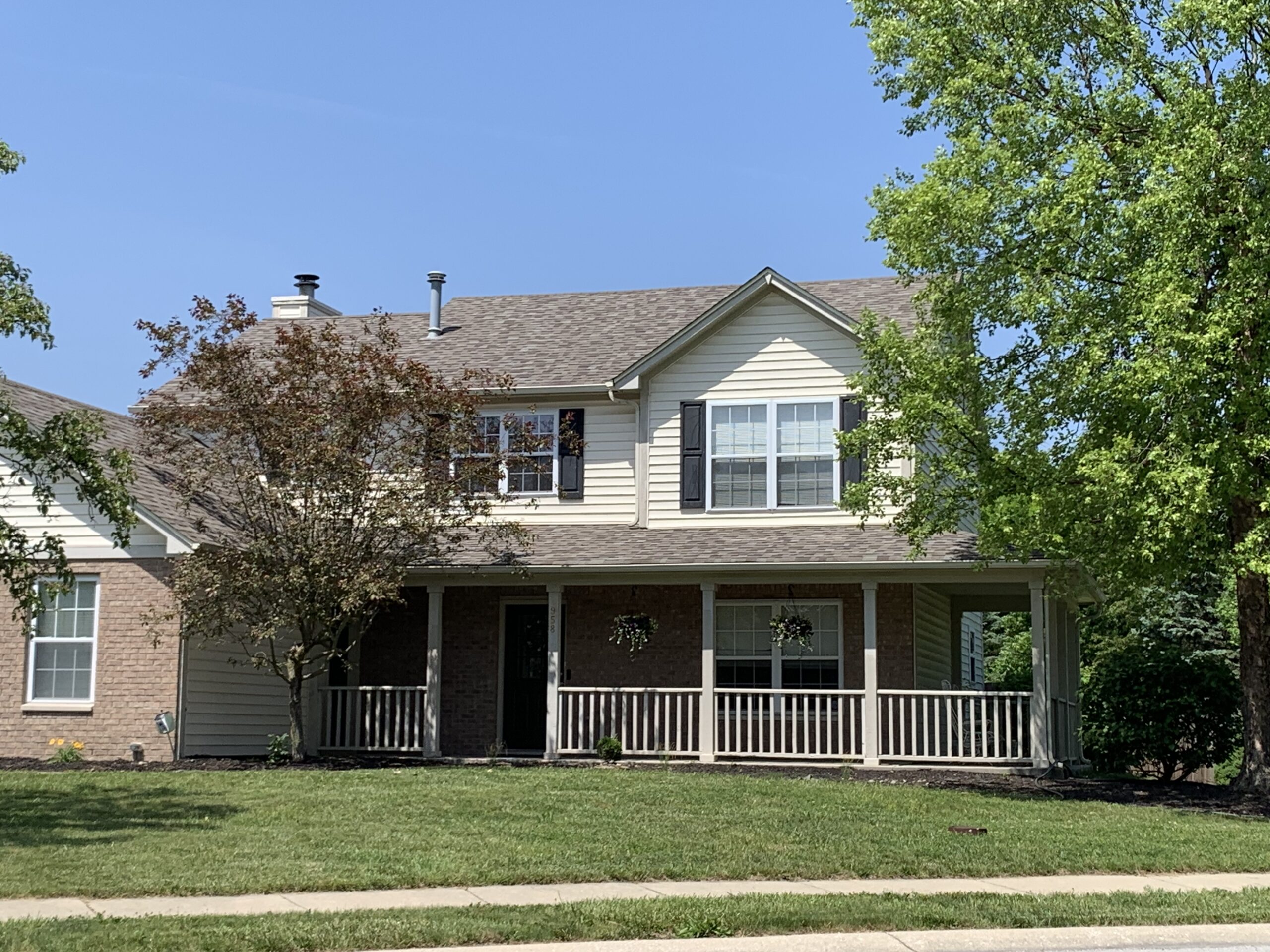
Introduction – Why Choosing the Right Roofing Contractor Matters
Your roof is one of the most important parts of your home, protecting your family, belongings, and structure from harsh weather conditions. Choosing the right Indianapolis roofing contractor is about long-term protection, not just installation. Watertight Roofing provides durable solutions that ensure safety and lasting value.
Many homeowners focus only on price, leading to poor workmanship and costly repairs. Unlicensed contractors can risk safety and quality, while qualified professionals follow building codes, use quality materials, and deliver reliable results.
Understanding What a Licensed Roofing Company Offers
A licensed roofing company ensures all roofing work follows legal standards and safety requirements. This gives homeowners confidence that their property is protected and the work is professionally managed.
What “Licensed and Insured” Really Means
When hiring a roofing contractor, it is important to verify that the company is licensed and insured. This ensures they meet all legal requirements and follow proper industry standards. Licensing confirms that the contractor is qualified to perform roofing work.
Insurance is equally important because it protects homeowners from financial liability in case of accidents or damage during the project. Together, these factors ensure safer, more reliable, and professional roofing services.
Benefits of Hiring a Licensed Roofing Company
A licensed roofing company offers advantages that go beyond basic installation services. Professional contractors invest in training, certifications, and quality control measures to deliver reliable results.
Some key benefits include:
- Compliance with local building codes and regulations
- Access to professional-grade roofing materials
- Higher workmanship standards and accountability
- Protection through proper insurance coverage
- Better dispute resolution and customer support
Key Factors to Consider When Choosing a Roofer
Hiring the right roofing professional requires careful evaluation of experience, reliability, and local expertise. Homeowners should focus on contractors who understand regional conditions and provide consistent service quality.
Local Roofing Experts vs. Out-of-Town Contractors
Hiring local roofing experts offers several advantages over out-of-town contractors. They understand Indianapolis weather patterns, common roofing issues, and local building requirements, allowing them to recommend durable and effective solutions for long-term performance.
Local contractors are also easier to reach for warranty support or future maintenance. Their community reputation depends on customer satisfaction, making them more accountable and reliable when handling post-project roofing concerns.
Experience and Track Record
Experience is one of the strongest indicators of roofing quality. Contractors with proven project history have handled different roofing challenges and developed effective solutions. This expertise helps them identify issues early before they become serious problems, ensuring better results for homeowners.
When evaluating contractors, check their completed projects, certifications, and specialization. Companies offering residential roofing service usually have deeper knowledge of materials and installation methods suited for long-lasting performance and consistent quality work.
Reviews and Reputation
Online reviews and customer testimonials offer important information about a contractor’s reliability and professionalism. While no company receives perfect feedback, patterns in customer experiences can reveal strengths and weaknesses.
Consider the following when reviewing a contractor’s reputation:
- Consistent positive reviews across multiple platforms
- Detailed feedback regarding workmanship quality
- Responsiveness to customer concerns
- Evidence of completed projects and references
- Professional communication and transparency
Roofing Inspection – The First Step in Evaluation
A proper roofing inspection helps identify hidden issues early and ensures homeowners understand the real condition of their roof before making decisions. It provides clarity on whether repairs or replacement are needed.
What a Professional Roofing Inspection Includes
A roofing inspection helps determine the true condition of a roof before repair or replacement decisions. Inspectors evaluate structural parts, materials, flashing, drainage, and possible leak sources to identify issues accurately.
They detect both visible and hidden damage that homeowners may miss. This detailed assessment clarifies whether roof damage repair or full replacement is needed, ensuring informed decisions and eliminating guesswork for better long-term results.
Why Inspections Are Essential Before Hiring
Many homeowners request estimates without a detailed inspection, which can lead to inaccurate recommendations and unexpected costs later. A professional inspection provides clear, objective information so contractors can create realistic and reliable proposals.
Inspection results also improve transparency between homeowners and contractors. With documented issues instead of assumptions, both sides can prioritize necessary work and ensure recommendations are based on actual roof conditions, not sales pressure.
Comparing Roofing Estimates the Smart Way
A roofing estimate is more than just a price it is a detailed breakdown of the work, materials, and expectations involved in the project. Understanding it properly helps homeowners avoid hidden costs and poor-quality work.
What Should Be Included in Roofing Estimates
A roofing estimate should provide more than a single price. Comprehensive estimates outline labor costs, material specifications, project timelines, disposal procedures, and warranty information. Detailed documentation allows homeowners to understand exactly what services are being provided.
The best estimates clearly define the scope of work and identify any factors that could affect project costs. Whether evaluating a residential roof replacement or a commercial roof replacement, homeowners should receive sufficient detail to compare proposals accurately and confidently.
How to Compare Multiple Quotes
Comparing estimates requires more than identifying the lowest number. Homeowners should evaluate the overall value being offered, including materials, workmanship, warranties, and contractor experience.
When reviewing quotes, pay attention to:
- Material quality and manufacturer specifications
- Labor scope and installation procedures
- Project completion timeline
- Warranty coverage details
- Potential hidden fees or exclusions
Roofing Warranties – What Homeowners Must Know
Roofing warranties play an important role in protecting homeowners from unexpected repair costs and workmanship issues. They provide long-term assurance that both materials and installation are covered under specific conditions.
Types of Roofing Warranties
Roofing warranties are important for protecting homeowners after project completion. Most roofing projects include two types of coverage: manufacturer warranties and workmanship warranties that ensure long-term protection and peace of mind.
Manufacturer warranties cover defects in roofing materials, while workmanship warranties protect against installation issues. Understanding these differences helps homeowners choose the right contractor and make informed decisions while evaluating roofing proposals and investment value.
How Warranties Protect Long-Term Investment
Warranties provide financial protection and confidence in the quality of the roofing system. However, coverage terms can vary significantly among contractors and manufacturers. Homeowners should carefully review all documentation before signing a contract.
Important warranty considerations include:
- Length of warranty coverage
- Covered materials and labor components
- Maintenance requirements
- Conditions that may void coverage
- Written documentation and transferability
How to Choose a Roofer Step-by-Step
Choosing the right roofer requires a structured approach so homeowners can compare contractors fairly and avoid costly mistakes. Following a clear step-by-step process helps ensure better decision-making.
Step 1 – Shortlist Local Contractors
Begin by listing reputable local roofing companies in Indianapolis and checking their credentials, services, and customer reviews. Local contractors often provide faster response and better long-term support. Some also collaborate with a construction company indianapolis homeowners trust, ensuring stronger project management, improved coordination, and higher overall professionalism for property improvements.
Step 2 – Verify Licensing and Insurance
Once potential contractors are identified, verify their licenses and insurance and request valid documentation. This protects homeowners from liability and ensures compliance. Licensed contractors show professionalism and accountability, helping eliminate unqualified options and narrowing the selection to trusted roofing professionals quickly.
Step 3 – Request Detailed Roofing Inspections
Schedule inspections with selected contractors and compare their findings to understand differences in approach and accuracy. Reputable companies clearly explain issues and provide supporting evidence for their recommendations.
Step 4 – Compare Estimates and Warranties
Review proposals carefully by comparing scope, materials, labor, timelines, and warranty coverage. Avoid choosing based only on cost, as value matters more. Contractors working as a commercial roofing contractor often bring strong project management and quality control that benefits residential work.
Step 5 – Review Reputation and Final Decision
The final step is evaluating customer experiences, references, and overall professionalism. Choose contractors who communicate clearly and maintain transparency throughout the process. Watertight Roofing demonstrates strong local expertise and customer-focused service. Reviewing reputation helps ensure a reliable, long-term roofing partnership.
Common Mistakes Homeowners Should Avoid
Choosing the wrong roofing contractor can create expensive problems that persist for years. Many homeowners unknowingly make decisions that increase risk and reduce the quality of their roofing investment.
Common mistakes include:
- Choosing a contractor based only on the lowest price
- Failing to verify licensing and insurance credentials
- Ignoring warranty details before signing contracts
- Skipping inspections and relying on assumptions
- Not checking references or customer reviews
Final Thoughts
Selecting the best Indianapolis roofing contractor requires research, evaluation, and a focus on long-term value over short-term savings. A quality roof protects your family, increases property value, and reduces future repair costs. Working with residential roofers in indianapolis ensures professional standards and compliance.
Whether choosing a roof replacement company, home improvement contractor, or commercial contractors indianapolis trust, prioritize experience, inspections, warranties, and reputation for reliable, lasting roofing results. If you are looking for trusted roofing professionals, contact Watertight Roofing today to schedule an inspection and discuss the best solution for your property.
FAQs
1. How do I know if a roofing contractor is licensed?
Ask for their license details and verify them with local or state authorities. Trusted contractors always provide proof.
2. How many roofing estimates should I get?
It’s best to get at least three estimates to compare pricing, materials, warranties, and overall service value.
3. What is the difference between roof repair and residential roof replacement?
Roof repair fixes specific issues like leaks or damaged shingles, while replacement involves removing and installing an entirely new roof system.
4. Why are roofing inspections important before hiring a contractor?
Inspections reveal real roof conditions and help ensure accurate recommendations instead of assumptions.
5. What should I look for in a roofing warranty?
Check coverage length, included materials, labor terms, maintenance needs, and conditions that could void the warranty.
6. Can commercial roofing experience benefit residential projects?
Yes, commercial experience often brings better project management, safety standards, and quality control to residential roofing work.